
Industry Sector Safety Solutions
Tailored training and audit applications by sector.
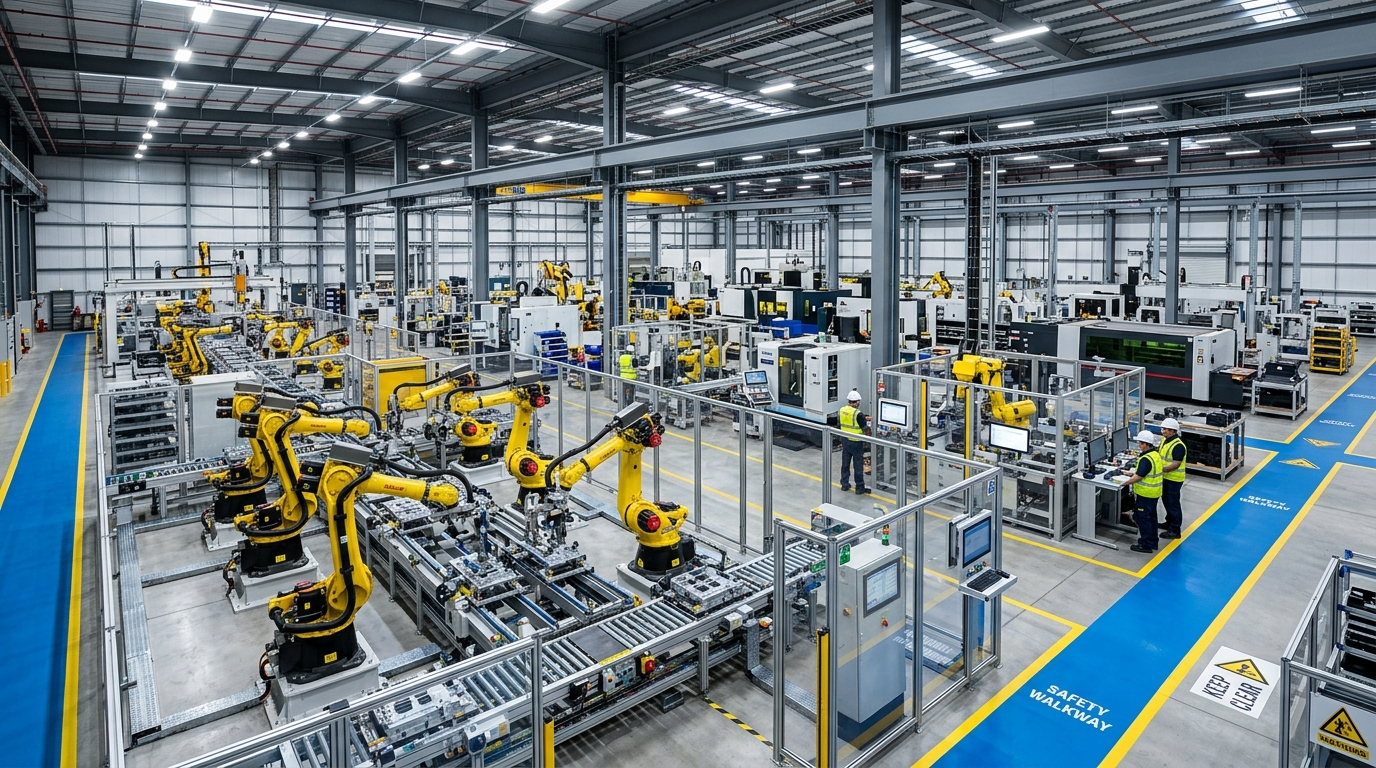
Manufacturing & Industrial Facilities
High-throughput plant floors, molten operations, heavy automated machinery, and raw material logistics requiring strict statutory safety controls under the Factories Act.
- Fire risks from electrical panels, flammable solvents and machinery friction
- Chemical hazards from bulk storage, mixing and exothermic reactions
- Mechanical handling and fork truck movement in congested aisle ways
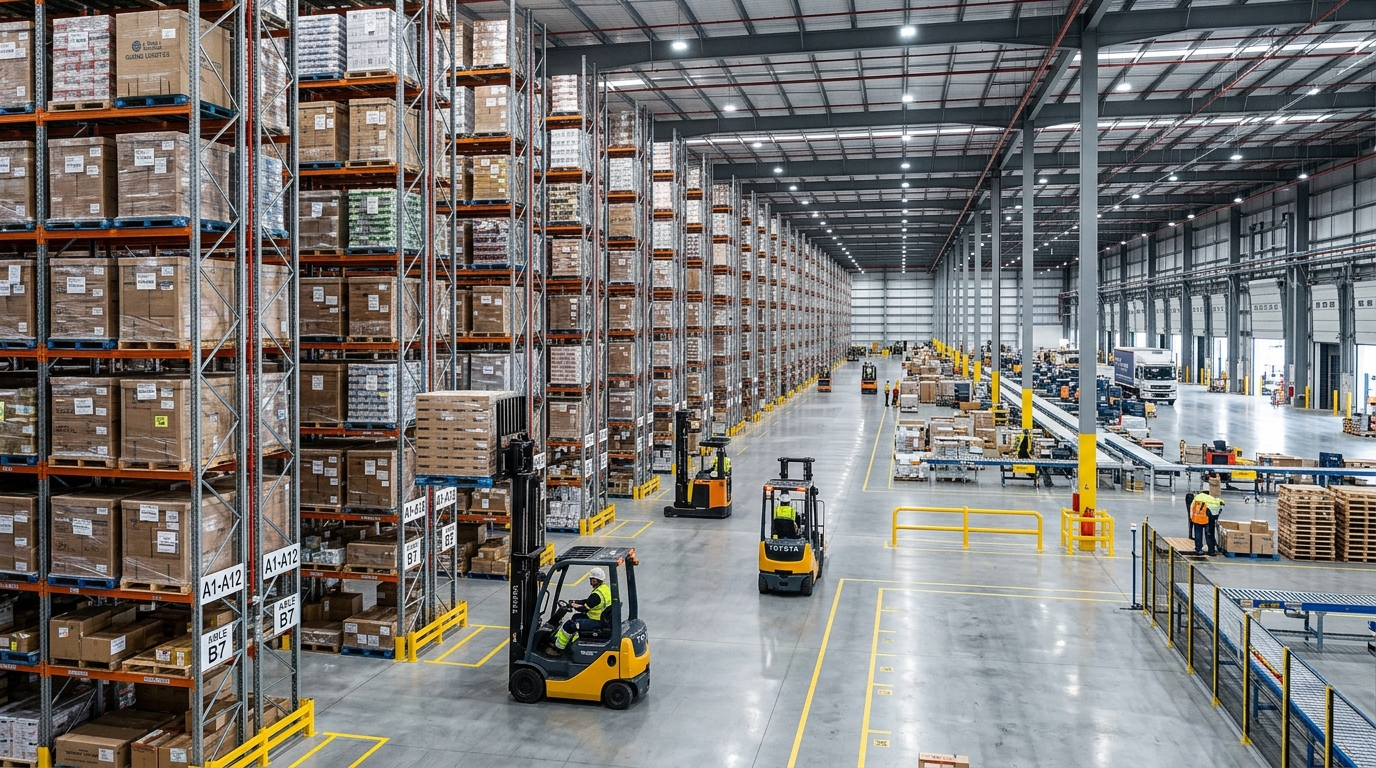
Warehousing & Logistics
Extensive supply chain hubs, high-bay automated and manual racking, dense combustible cardboard packaging, rapid forklift traffic and multi-dock turnaround.
- High rack fire spread risk and vertical clearance around sprinkler heads
- Forklift and pedestrian collision risks during rapid loading and unloading
- Manual handling injuries and acute musculoskeletal strain during picking
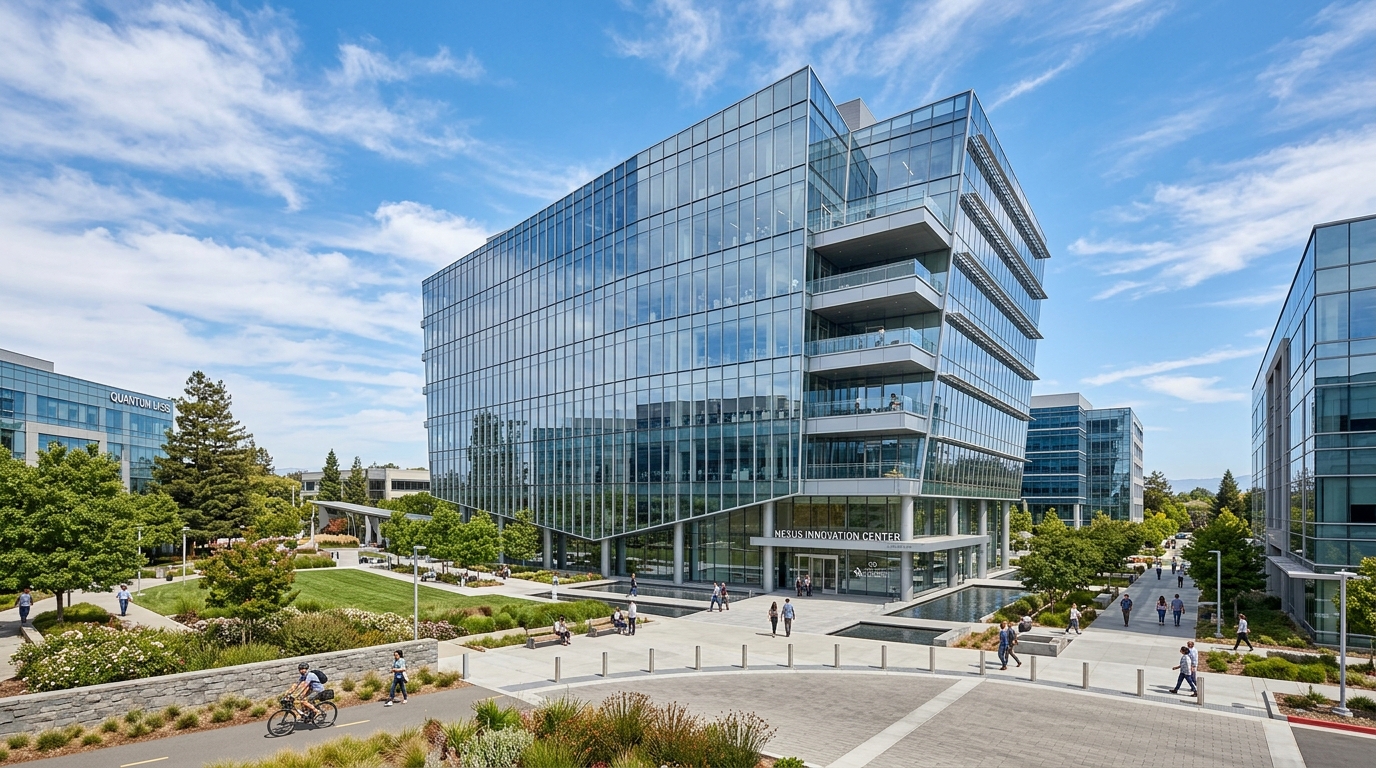
Corporate Offices & IT Parks
High-density commercial work floors, multi-tower IT tech campuses, multi-tier stairwells, server room fire suppression, and thousands of sedentary employees.
- Multi-floor stairwell bottle-necks and orderly egress during fire alarms
- Server room electrical overloads and specialised clean-agent suppression
- Sudden medical crises, workplace fainting, and cardiac emergency response
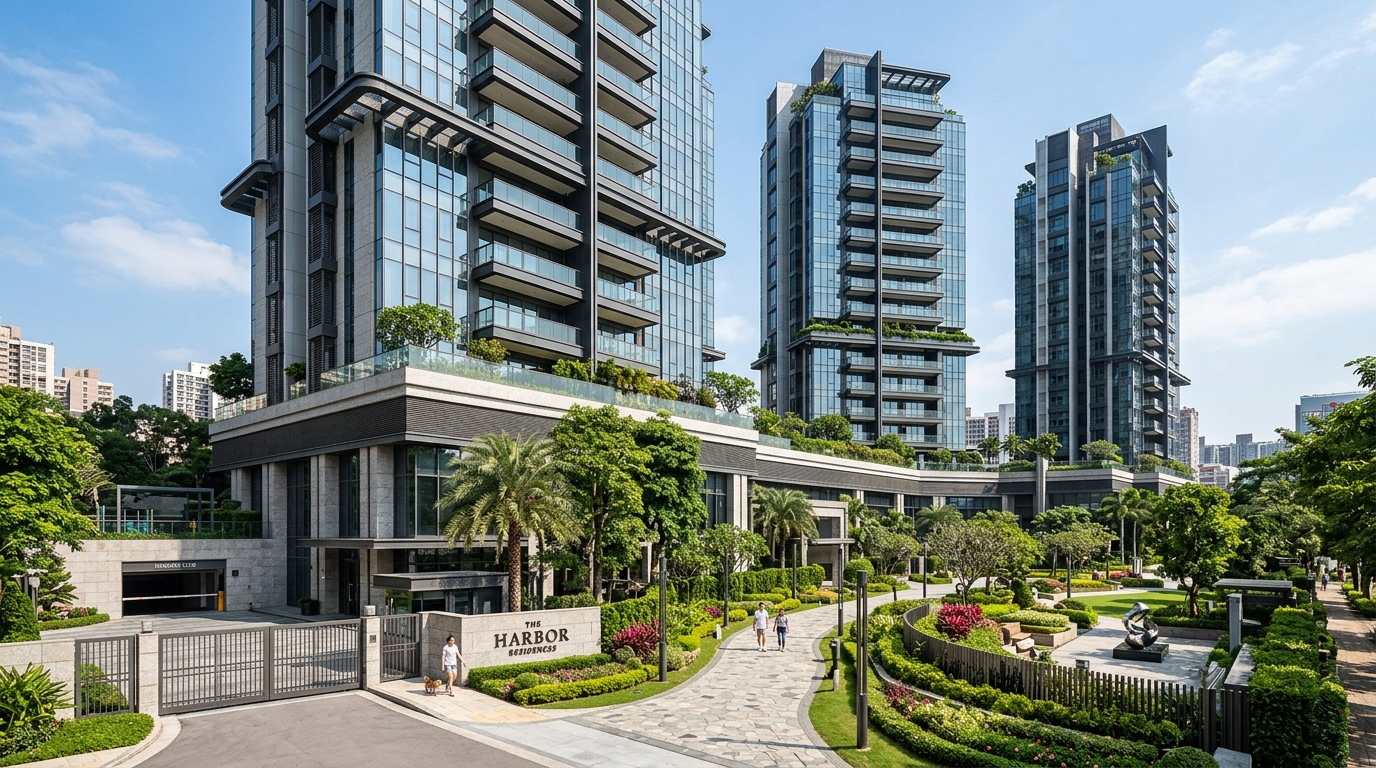
Residential Communities & Apartments
Gated residential enclaves, high-rise apartment towers and condominium associations with resident families, underground basement parking, and clubhouse facilities.
- Domestic LPG cylinder gas leaks and high-temperature kitchen grease fires
- Basement parking EV charger battery risks and smoke extraction systems
- Community emergency awareness of communal hose reels and wet risers
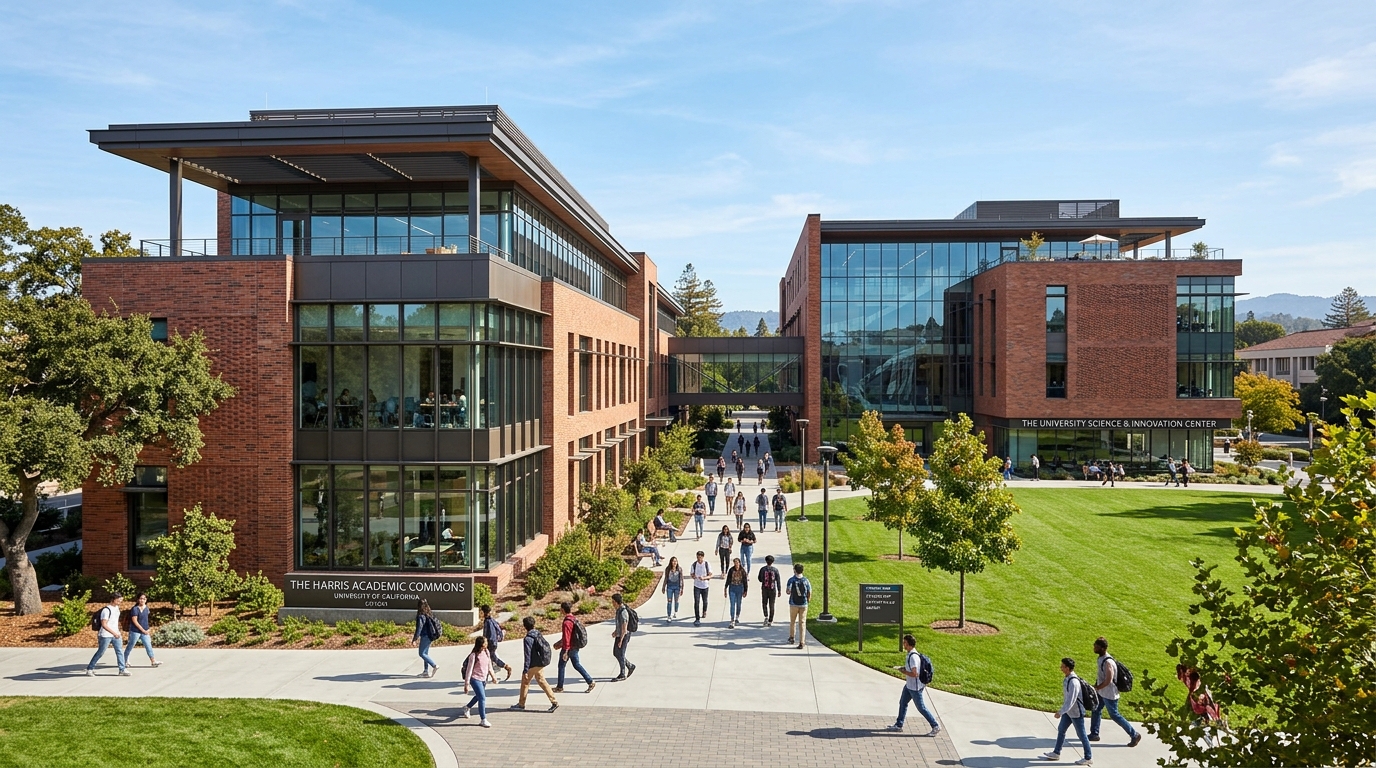
Schools & Educational Institutions
K-12 schools, residential colleges, and expansive university campuses housing young students, laboratory chemical storage, sports fields, and dedicated bus fleets.
- Rapid, panic-free evacuation protocol for young students across academic wings
- Chemistry and science lab reagent storage and emergency shower readiness
- School transport fleet road safety and bus driver defensive habits
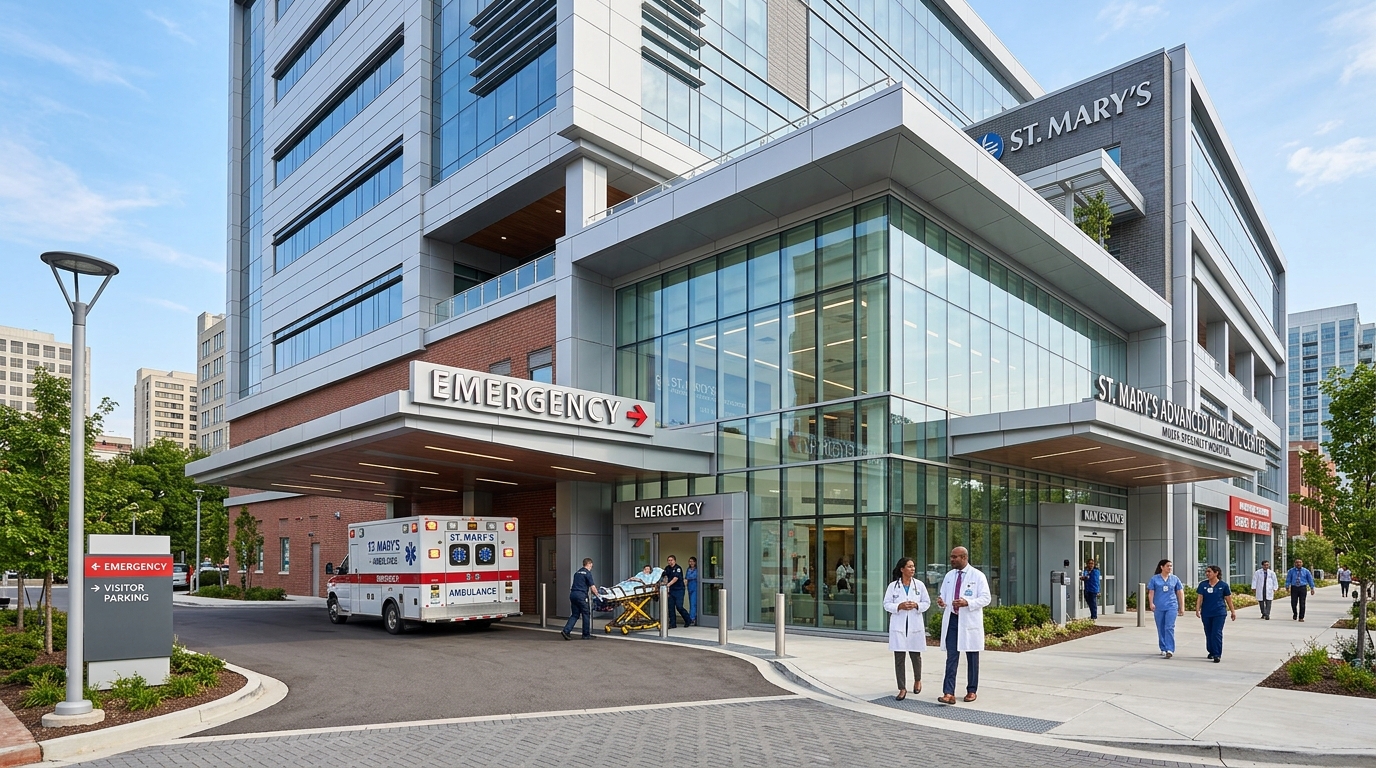
Hospitals & Healthcare Facilities
Continuous 24/7 care complexes, multi-speciality clinical wards, surgical suites, intensive care units with bedridden patients, and piped medical oxygen infrastructure.
- Horizontal phased evacuation protocols for non-ambulatory and ICU patients
- Oxygen-enriched atmospheres accelerating rapid fire spread in clinical wards
- Uninterrupted life-support electrical continuity and bio-medical hazard handling
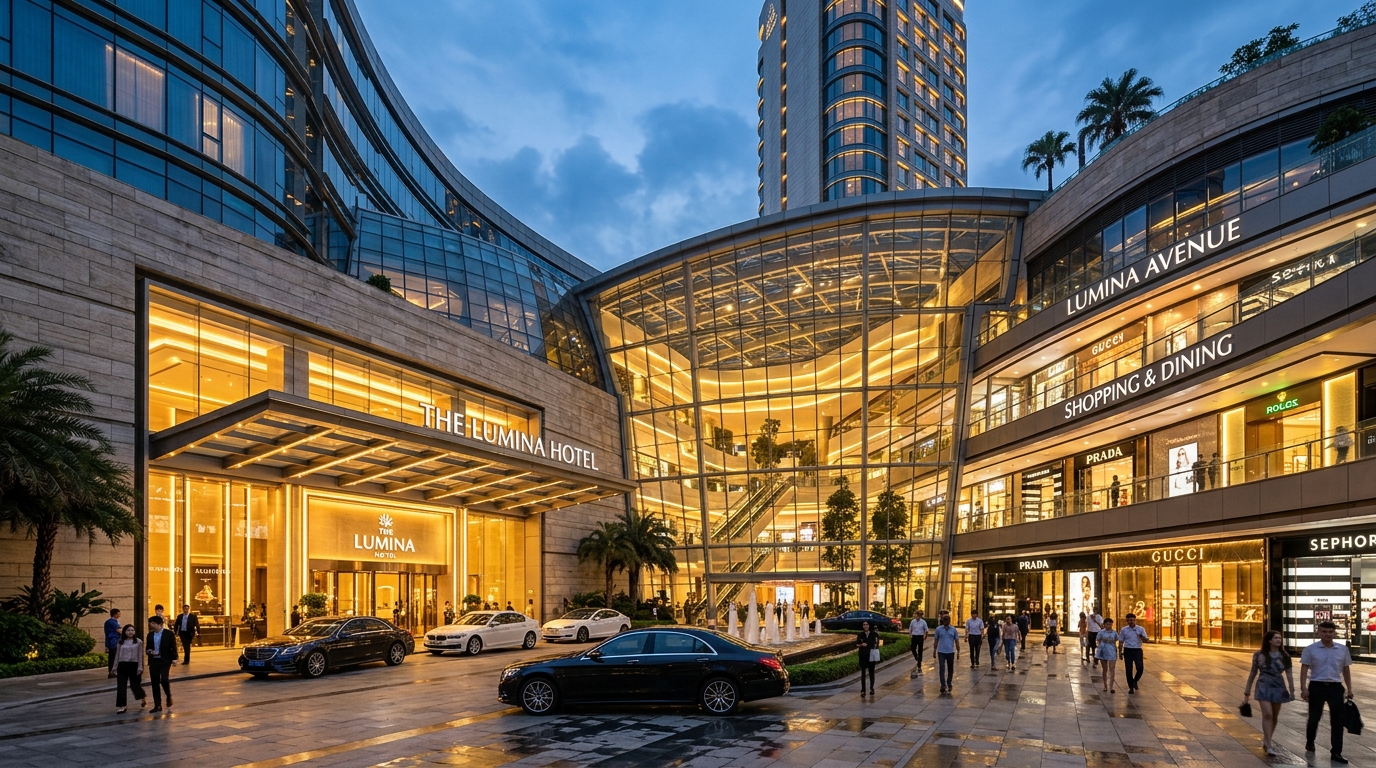
Hotels, Retail & Commercial Buildings
Star hotels, shopping malls, multiplex theatres and commercial retail complexes accommodating transient guests unfamiliar with floor layouts and exit pathways.
- High-occupancy public circulation zones with unfamiliar guests during alarms
- Commercial kitchen oil vat fires, duct hood grease accumulation, and gas banks
- Public slip/fall injuries, panic mitigation, and emergency illumination
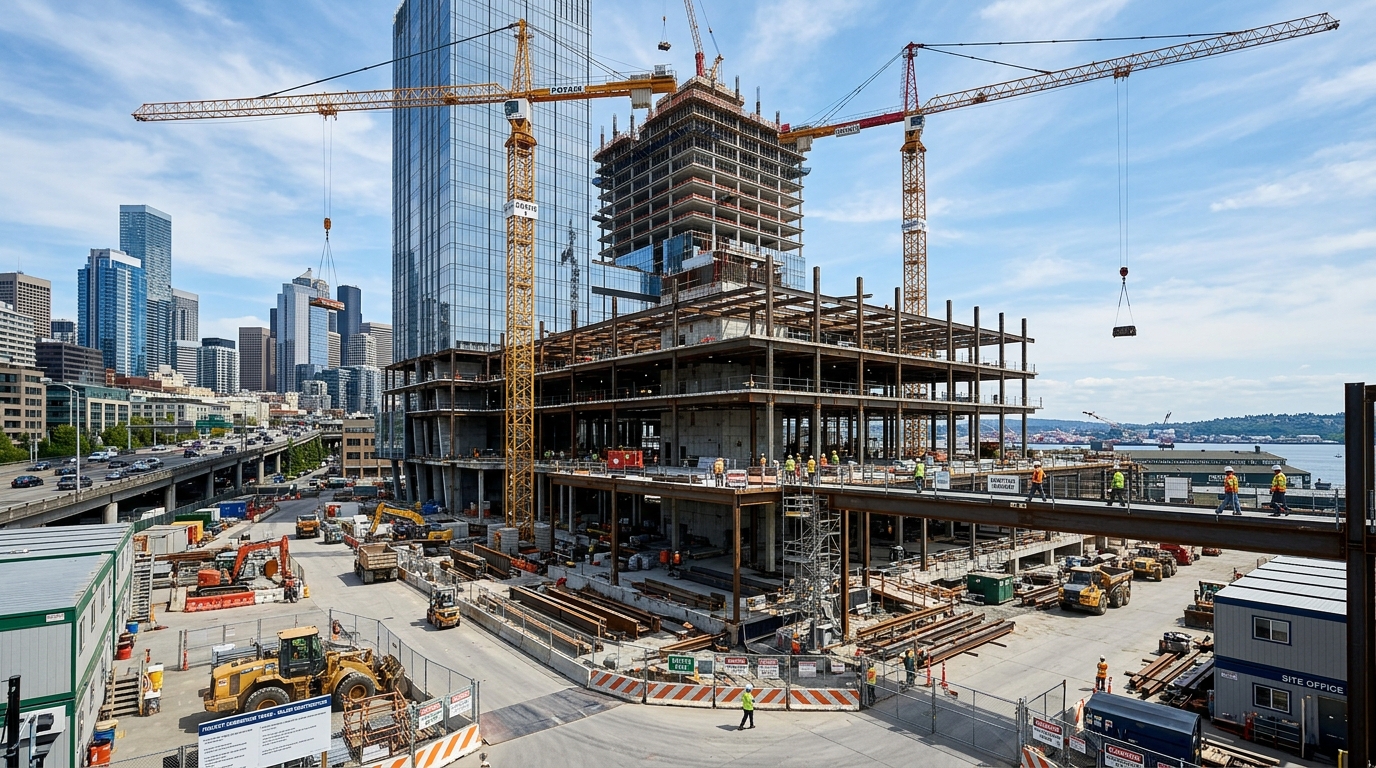
Construction & Engineering
Active civil infrastructure, high-rise structural erection, metro rail alignments and fabrication yards with shifting daily hazards and multidisciplinary contract labour.
- Fall from height risks during staging, scaffolding and formwork erection
- Heavy crane lifting, rigging failures, and mobile equipment movement
- Confined space deep trench excavations and underground utilities strikes
From your hazards to the right programme
We do not offer generic off-the-shelf courses. We build a safety intervention around your actual facility risks.
Hazards first
We inspect and discuss the physical and operational risks present at your site before proposing a curriculum.
Training that fits
Programmes are shaped for the roles at your facility, from floor operatives to site managers.
Measurement
Pre- and post-tests, practical drills with feedback, and formal records of completion for statutory compliance.
Tell us about your facility.
Tell us what industry you are in and where your facilities are. A senior trainer will call back with a tailored proposal.